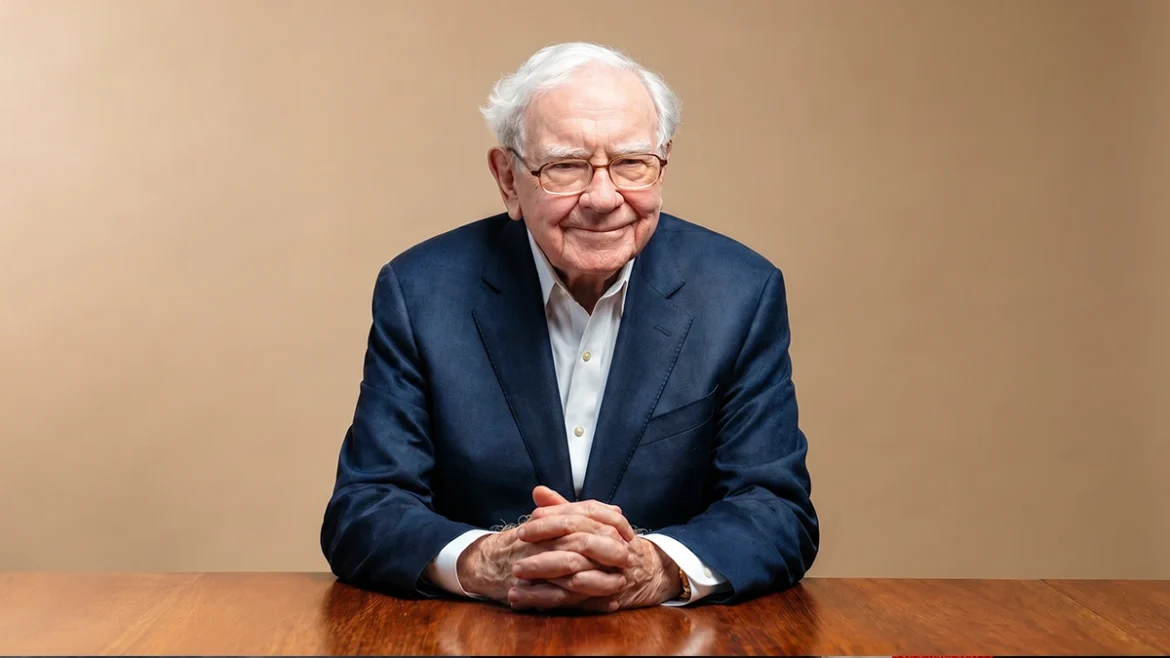
A while back, I randomly opened the 13F portfolio data for the first quarter of 2026.
A 13F is a periodic report that large investment managers are required to submit to the SEC, the U.S. securities regulator. The content is straightforward: a list of stocks they held at the end of each quarter.
At first, it was just plain curiosity. What stocks was Warren Buffett buying, adding to, trimming, or selling through Berkshire Hathaway?
That curiosity led me to do a small research session — using a ChatGPT Agent to trace through several 13F data sources and organize them into something more readable. I started with a quick scan of everything, then read it again slowly to actually understand it.
Before We Get to the Data: What Is a 13F?
Simply put, Form 13F is a quarterly report that institutional investment managers must file with the SEC. It lists the stocks they held at the end of each quarter.
I actually check 13F data fairly often through hedgefollow.com — the goal is simple: I want to know which big investors are already in the stocks I’m considering buying. I want to see their average cost, because to me, knowing the fair value of a stock isn’t enough. Knowing where the big players entered matters too — it would be a bit absurd to buy into something where the major institutions are already sitting on 300% profit.
But back to the point. As interesting as 13F data is, we also need to understand its limitations: this is not real-time data. The Q1 2026 data reflects positions as of March 31, 2026 — but it wasn’t published until around mid-May 2026. By the time we’re reading it, some of those positions may have already changed.
So for me, copying a big investor’s portfolio based on this data alone isn’t a wise move. What if, by the time you buy, they’ve already sold? Unless you already have strong conviction from your own research — in which case, it’s a different story.
A Peek at Warren Buffett’s Portfolio
From the Q1 2026 13F data, Berkshire Hathaway reported a portfolio value of approximately US$263 billion across just 29 holdings. The top five positions: Apple (~22%), American Express (~17%), Coca-Cola (~12%), Bank of America (~9.5%), Chevron (~6.6%), and Occidental Petroleum (~6.5%).
Warren’s portfolio isn’t crowded.
Berkshire feels like an investor who has no desire to own everything. More like a minimalist old house with few possessions — but every item has history, intention, and a reason behind it that’s worth understanding.
Apple represents Buffett’s conviction in high-quality businesses with strong ecosystems. American Express and Coca-Cola reflect his classic style: major brands, loyal customers, and durable cash flows. Bank of America gives him exposure to the financial sector. Chevron and Occidental anchor the energy side.
What caught my attention: in Q1 2026, Berkshire opened new positions in Delta Air Lines and Macy’s — while also exiting several holdings including Amazon, UnitedHealth, Visa, Mastercard, Domino’s Pizza, Aon, and Pool Corporation.
From this, I learned one simple thing: patience doesn’t mean standing still forever.
Buffett is a long-term investor, yes. But long-term doesn’t mean closing your eyes. Even a portfolio as large as Berkshire’s still gets reviewed, cleaned up, and adjusted.
That hit me. I sometimes fall too easily in love with an asset just because it once made me money. Yet even the biggest investors keep asking themselves: does the original reason I bought this still hold true today?
What Can a Small Investor Learn?
Reading Buffett’s portfolio doesn’t mean you have to copy him.
Our capital is different. Our time horizon is different. Our risk tolerance is different. Our goals are different.
Berkshire has a cash engine, operating businesses, and an investment philosophy that isn’t easily replicated by smaller investors.
But that doesn’t make this data useless.
In fact, it offers something more valuable: a window into how big money thinks. Buffett teaches concentration and long-term conviction — not about owning many stocks, but about having a strong reason for every position you hold.
For me personally, this data isn’t a signal to go buy the stocks in Berkshire’s portfolio.
It’s more like a mirror — one that helps me see whether my own portfolio is too emotional, too scattered, or simply lacking a clear direction.
This article is a personal note and learning exercise based on Q1 2026 13F data. It is not a buy or sell recommendation. Investing carries risk. Always do your own research before making any investment decisions.